


02-333353811,02-3333-54971 lookelec@gmail.com
Our Concern Click to See! Our Products

Mini Cart

Introduction to Residential Living

The concept of residential living has significantly evolved over the years, reflecting changes in societal needs, preferences, and living conditions. At its core, residential living refers to the various environments and structures where individuals reside, ranging from single-family homes and apartments to assisted living facilities and cooperative housing. Each type of residential environment caters to different demographics and lifestyle choices, thereby shaping the overall experience of living.

In modern society, the significance of residential living has intensified as it directly impacts one’s quality of life. A person’s residence often serves as a sanctuary that influences physical and mental well-being. With urbanization and increased population mobility, the landscape of residential living has changed dramatically, leading to a diverse array of living options. From high-rise developments in bustling metropolitan areas to serene suburban communities, the choice of habitat has broadened, addressing the needs of various individuals—the young professional seeking convenience, families desiring space, and retirees looking for community engagement.

Furthermore, residential living environments now encompass innovative trends such as co-housing, eco-friendly communities, and multi-generational homes, all of which exemplify a shift towards more sustainable and social forms of living. These modern adaptations not only focus on comfort and aesthetics but also emphasize community, inclusivity, and sustainability. As we delve deeper into the evolution of residential living, it becomes evident that these environments are not merely physical structures; they are vital components of the social fabric that fosters connectivity, security, and belonging among individuals. In understanding the broad scope of residential living, we can appreciate the continuous transformations that shape our experiences within these spaces.

Historical Context of Residential Spaces

The evolution of residential living can be traced back to ancient times, where the initial shelters were primarily practical, driven by the necessity for protection against environmental elements. Early humans utilized readily available materials; for example, mud, stone, and wood became the foundations of the first homes. These structures reflected the simplicity of life during that era, largely dictated by the climate, landscape, and available resources.

As societies progressed, so too did residential design. The emergence of agricultural societies around 10,000 BCE led to more permanent structures, which facilitated complex social interactions. This marked the beginning of home design evolving from mere necessity to embracing aesthetic and functional aspects. Notably, ancient civilizations such as the Egyptians and Greeks contributed significantly to architectural styles that prioritized not only utility but also beauty and community representation.

The Middle Ages brought about a transition to feudal systems, leading to diverse residential forms, ranging from castles to cottage-style dwellings. The Renaissance further encouraged residential innovation, emphasizing symmetry and proportion, which fostered a Revival of Classical architecture. This period stimulated residential designs that were emblematic of wealth, status, and artistic expression.

Fast forward to the Industrial Revolution, which catalyzed dramatic changes in residential living through urbanization and technological advancements. The demand for housing in burgeoning cities led to the development of tenements and a variety of housing styles catered to different social classes. With the advent of modern engineering techniques, residential designs shifted towards Functionalism, leaving behind ornate styles in favor of minimalist, efficient spaces.

In contemporary architecture, residential living continues to evolve, reflecting a society increasingly concerned with sustainability, technology, and open living spaces. Trends such as smart homes and eco-friendly designs signify a response not just to consumer preferences but also to broader social responsible values. This historical context demonstrates that residential design is an ongoing narrative, intricately tied to societal progress.

Types of Residential Properties

The variety of residential properties available in today’s housing market caters to diverse lifestyles and preferences. Among the most common types are single-family homes, apartments, condominiums, townhouses, and luxury homes, each possessing unique characteristics that appeal to different demographics.

Single-family homes are standalone structures that offer ample space and privacy, making them a popular choice for families. These properties typically come with a yard and multiple bedrooms and are favored for their freedom from shared walls, allowing for personalization and independence.

Apartments, on the other hand, are usually located within larger buildings and offer a more affordable housing solution for individuals or small families. They come in various sizes, ranging from studios to multi-bedroom units, and are often situated in urban areas close to amenities, making them attractive to young professionals.

Condominiums, or condos, share similarities with apartments but generally involve individual ownership of units within a larger property. Condos often feature shared amenities such as pools and gyms, appealing to those desiring a community feeling without the responsibilities of maintaining a yard.

Townhouses provide a middle ground between single-family homes and apartments. These are typically multi-level homes that are attached to one or more other units. Townhouses often appeal to buyers looking for more space than an apartment but with lower maintenance concerns than a standalone home.

Lastly, luxury homes cater to high-end buyers seeking prestigious properties. These homes boast exceptional design, high-quality materials, and a range of premium amenities, making them desirable among affluent individuals and families.

In conclusion, the diversity of residential properties in the market reflects the varying needs and lifestyles of people, allowing everyone from large families to young professionals to find suitable accommodation that fits their lifestyle and budget.

Current Trends in Residential Design

The landscape of residential design is continuously evolving, driven by changing lifestyles, technological advancements, and a growing awareness of environmental concerns. One of the most significant trends is the increasing demand for eco-friendly homes. These residences often prioritize sustainable materials, energy-efficient systems, and a reduced carbon footprint. Homebuyers are becoming more conscious of how their living spaces affect the environment, leading to increased popularity of features like solar panels, rainwater harvesting systems, and green roofs.

Another notable trend is the integration of smart technology into residential design. Home automation systems are designed to enhance convenience, security, and energy efficiency. Features such as smart thermostats, lighting control systems, and advanced security cameras allow homeowners to manage their properties remotely via smartphones or tablets. This blend of technology not only simplifies daily tasks but also contributes to increased energy management, making it a vital aspect of modern residential living.

The design of open floor plans has gained momentum, reflecting a shift towards more communal living spaces. By removing unnecessary walls, open layouts foster interaction among family members and provide versatility for entertainment. This architectural style caters to a lifestyle that values flexibility, allowing homeowners to customize their spaces according to their needs. Additionally, the design adapts well to various layouts, whether for smaller urban apartments or larger suburban homes.

Lastly, the rise of multi-generational living spaces responds to demographic shifts where extended families choose to live together. Homes designed with separate living areas, private entrances, and shared amenities accommodate the needs of different generations. This living arrangement not only promotes familial support but also addresses financial considerations related to housing costs.

The Role of Location in Residential Living

Location plays a crucial role in determining the quality of residential living, influencing various aspects such as urban versus suburban lifestyles, access to amenities, public transportation options, and community dynamics. Urban living often offers a vibrant lifestyle, with a plethora of entertainment, dining, and cultural options readily available. This urban environment tends to attract younger populations and professionals seeking a fast-paced life and convenience. However, such locations may also present challenges, including higher costs of living, noise, and limited space.

In contrast, suburban living typically provides a more tranquil environment, appealing to families and those seeking a quieter, more spacious home. Suburbs often feature larger properties and a stronger sense of community, which can foster a family-friendly atmosphere. However, residents may find themselves further from essential services and amenities, which could necessitate longer commutes and reduced access to public transportation.

Accessibility to amenities significantly affects the appeal of a residential area. Locations close to schools, parks, shopping centers, and healthcare services generally rank higher in desirability. The convenience of accessing local amenities not only improves the quality of life but also influences property values in the vicinity. Similarly, public transportation availability is a pivotal factor that shapes residential preferences. Efficient public transport can enhance accessibility, making urban or suburban neighborhoods more appealing to those who rely on these services for commuting.

Community dynamics also vary between urban and suburban settings. Urban areas often bring together diverse populations with varying cultures and lifestyles, which can lead to a rich tapestry of experiences. Suburban areas, on the other hand, may offer a more homogeneous community atmosphere, fostering closer relationships among residents but potentially less cultural diversity. Thus, the role of location is multifaceted, influencing residential living experiences in diverse and significant ways.

Sustainable Living and Residential Choices

The increasing awareness of environmental challenges has significantly influenced residential choices, pushing the movement towards sustainable living into the spotlight. Homeowners and developers alike are now more committed to adopting green building practices that focus on energy efficiency, resource conservation, and environmental stewardship. Sustainable living in residential areas emphasizes not only the construction of eco-friendly homes but also the way these homes interact with their surroundings.

Green building practices play a pivotal role in this movement, characterized by the use of sustainable materials, energy-efficient systems, and eco-friendly designs. For instance, homes with solar panels, high-efficiency heating and cooling systems, and innovative insulation methods contribute to reduced energy consumption. Additionally, utilizing reclaimed materials in construction helps mitigate waste and lower the carbon footprint of new developments.

Energy efficiency remains a cornerstone of sustainable living, urging residents to minimize their energy use through smart technologies and better home practices. These advancements allow homeowners to monitor energy consumption in real time and implement strategies that lower utility costs while benefitting the environment.

Moreover, the importance of green spaces and community gardens within residential areas cannot be understated. These initiatives not only enhance aesthetic appeal but also encourage biodiversity, improve air quality, and promote physical and mental well-being among residents. Community gardens offer a space for neighbors to collaborate and connect, fostering a sense of community while also providing access to fresh produce.

As society continues to embrace sustainable living, the integration of these principles into residential choices becomes increasingly vital. By prioritizing eco-friendly practices and community engagement, residents can contribute to a greener future, creating environments that support both human and ecological well-being.

Financing and Investing in Residential Properties

In the realm of residential living, the financial aspects play a significant role in determining both accessibility and investment potential. Understanding various mortgage options available to homebuyers is crucial. Fixed-rate mortgages, adjustable-rate mortgages (ARMs), and government-backed loans, such as FHA or VA loans, cater to a diverse array of financial backgrounds. Fixed-rate mortgages offer stability with consistent payments, while ARMs might provide lower initial rates but can fluctuate over time, making them suitable for certain financial situations.

Investing in residential properties has become increasingly popular due to the potential for long-term appreciation and rental income. Market trends indicate that investing in suburban areas has gained traction, especially in the aftermath of the global pandemic, with more individuals and families seeking larger living spaces. Consequently, investors are encouraged to perform thorough market analysis, including evaluating neighborhood growth patterns, local amenities, and long-term economic forecasts. Such data is pivotal in making informed decisions that can increase their chances of a favorable return on investment.

For first-time homebuyers, navigating this intricate landscape can be daunting. One crucial tip is to obtain pre-approval for a mortgage before starting the property search. This process allows buyers to have a clear understanding of their budget and helps streamline negotiations with sellers. Further, it is advisable to consider additional costs associated with purchasing a home, such as property taxes, insurance, and maintenance fees, which can affect overall affordability.

Additionally, prospective buyers should leverage various resources, including real estate professionals and online platforms, to gather information and insights that will enhance their buying experience. By taking these steps, first-time homebuyers can significantly reduce financial stress while positioning themselves for a fruitful investment in residential properties.

The Future of Residential Living

The anticipation surrounding the future of residential living is significantly influenced by a confluence of technological advancements, demographic trends, and changing societal dynamics. As urbanization continues to rise, more individuals are converging into city centers, prompting developers to rethink the framework of residential properties. Urban living is becoming increasingly desirable, necessitating the creation of compact, multifunctional housing solutions that cater to a range of lifestyles.

Smart home innovations are a key factor driving the evolution of residential living. The integration of Internet of Things (IoT) devices is set to redefine how individuals interact with their homes. From energy-efficient appliances to automated security systems, these advancements provide homeowners with unprecedented convenience and control over their living spaces. Moreover, with the rising awareness surrounding sustainability, smart homes will increasingly prioritize eco-friendly designs and technologies, such as solar panels and energy-efficient HVAC systems, which will contribute to lower utility costs and reduced environmental impact.

Demographic changes also play a crucial role in shaping future residential trends. For instance, as millennials and Gen Z become more prominent in the housing market, preferences are shifting towards communal living and co-housing models that emphasize community engagement and shared resources. This inclination demonstrates a departure from traditional housing norms, highlighting a growing demand for spaces that foster social connections and support diverse lifestyles.

Additionally, the spatial layout of neighborhoods is likely to undergo a transformation. Community-oriented designs that include public parks, recreational facilities, and pedestrian-friendly pathways will enhance the overall quality of living, promoting health and well-being among residents. Ultimately, the future of residential living will be characterized by a harmonious blend of technological innovation, demographic evolution, and an increasing focus on communal aspects, thereby creating environments that meet the multifaceted needs of modern occupants.

Conclusion and Key Takeaways

Understanding the evolution and trends in residential living allows us to grasp the dynamic changes that influence how we choose to inhabit our spaces. As discussed throughout this blog post, residential living has undergone significant transformations driven by various factors such as urbanization, sustainability, and technological advancements. These elements are not merely trends; they reflect a shift in lifestyle preferences and priorities that cater to the needs of modern individuals and families.

One of the key points highlighted is the increasing emphasis on sustainability in housing design and construction. The growing awareness of environmental issues has propelled developers and homeowners alike to adopt eco-friendly practices and incorporate energy-efficient solutions into their living spaces. This shift aligns with a broader movement aiming to reduce the carbon footprint and promote long-term ecological balance.

Moreover, the rise of innovative technology has transformed residential living by enhancing convenience, security, and comfort. Smart home systems, for example, vividly illustrate how technology is woven into our daily lives, providing users with more control over their environments. As we continue to witness advancements in connectivity and automation, it becomes essential to understand how they shape residential trends.

Furthermore, the concept of community living has gained traction, highlighting the importance of shared spaces and collaboration among residents. Whether through co-housing initiatives or the design of communal areas, the focus on fostering connections among individuals contributes to a more holistic living experience.

In conclusion, keeping abreast of the ongoing evolution of residential living is crucial for adapting to future needs. As we navigate an ever-changing landscape, the lessons drawn from these trends will undoubtedly pave the way for innovative housing solutions that cater effectively to generations to come.


Importance of Ventilation Solutions

In Bangladesh, the increasing urbanization and rapid development have led to a significant demand for effective ventilation solutions in various environments, including residential, commercial, and industrial spaces. Proper ventilation is crucial as it directly impacts air quality, enhancing the overall health and comfort of occupants. By facilitating the exchange of indoor and outdoor air, ventilation solutions help dilute indoor pollutants, reducing the risk of respiratory problems and other health-related issues associated with poor air circulation.

Moreover, adequate ventilation contributes to energy efficiency. In climates like that of Bangladesh, where humidity and temperature can fluctuate drastically, maintaining optimal indoor conditions becomes essential. Effective ventilation solutions, such as exhaust fans, help regulate indoor temperatures and reduce excess moisture, which can otherwise lead to mold growth and structural damage. This efficiency not only promotes comfort but also lowers energy costs associated with heating and cooling systems.

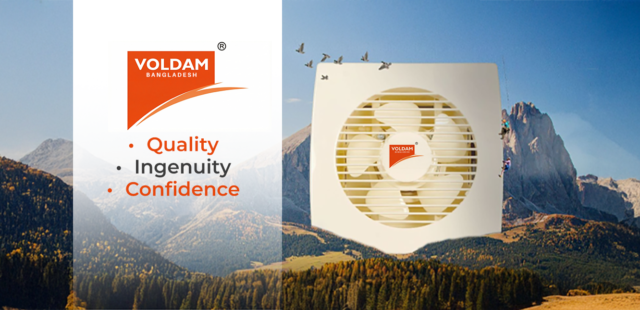
In both commercial and industrial settings, the need for proper ventilation becomes even more critical. Workspace environments where chemicals are used, or where large numbers of people gather, require robust ventilation systems to ensure the safety and well-being of employees and patrons. Businesses often face regulations related to air quality; thus, integrating effective ventilation solutions is not only beneficial but also a legal necessity. With the availability of a wide variety of exhaust fans, such as those offered by Voldam, stakeholders in Bangladesh can find options that fit different budgets and requirements.

The growing awareness of the significance of air quality and environmental comfort is driving an increase in investments in ventilation solutions. It is essential for home and business owners to prioritize this aspect to ensure a safe, healthy, and productive living and working environment.

Voldam: A Global Leader in Ventilation Products

Voldam has established a formidable reputation as a premier global leader in the ventilation product industry. Founded with a vision to enhance air quality through superior ventilation solutions, Voldam has consistently innovated and expanded its product range to meet the diverse needs of consumers in various markets, including Bangladesh. With its roots tracing back to a commitment to quality and customer satisfaction, the company has successfully positioned itself as a trusted name in the ventilation sector.

Central to Voldam’s operations is its unwavering commitment to quality assurance, bolstered by certifications such as ISO-9001. This internationally recognized standard for quality management systems exemplifies Voldam’s dedication to maintaining high manufacturing standards and rigorous quality control processes. By adhering to these guidelines, Voldam ensures that each product meets the stringent requirements necessary for optimal performance and durability. This quality assurance framework not only enhances customer trust but also cements the brand’s reputation as a reliable choice for ventilation products.

The mission of Voldam focuses on delivering innovative ventilation solutions that cater to a wide range of applications and settings. The company continually invests in research and development to create cutting-edge products that incorporate the latest technology and design principles. This forward-thinking approach enables Voldam to offer products that are not only efficient but also environmentally friendly, aligning with global efforts toward sustainable living.

In summary, Voldam’s journey in the ventilation product market showcases its evolution into a global leader by prioritizing quality, innovation, and customer satisfaction. As the company continues to grow its presence in emerging markets like Bangladesh, its commitment to providing advanced ventilation solutions remains at the forefront of its operational strategy.

Diversity of Exhaust Fans Offered by Voldam

Voldam presents a comprehensive range of exhaust fans that cater to various consumer needs in Bangladesh, effectively balancing luxury and affordability. This variety enables customers to select products that best fit their preferences and budgets while ensuring efficient ventilation throughout their spaces.

Starting with the luxury segment, Voldam offers high-end exhaust fans designed with elegant aesthetics and advanced features. These models often include smart technology, noise reduction capabilities, and energy-efficient motors, making them suitable for modern homes and commercial establishments that prioritize both functionality and style. For instance, the sleek designs can complement interior decor while delivering superior airflow and promoting better air quality.

On the other hand, Voldam does not neglect affordability, providing budget-friendly exhaust fans that are ideal for everyday use. These models retain essential functionalities, ensuring reliable performance at cost-effective prices. Targeted towards homeowners and small business operators, these fans are easy to install and maintain, making them appealing choices for those who need practical solutions without extensive financial investment.

Each type of exhaust fan within Voldam’s lineup is specifically tailored for unique applications. For instance, bathroom exhaust fans are designed to effectively regulate humidity, while kitchen exhaust options focus on efficient cooking odor removal. Additionally, industrial-grade fans are available for larger commercial operations, showcasing the brand’s commitment to addressing diverse ventilation needs across various environments.

In summary, Voldam’s extensive range of exhaust fans allows consumers in Bangladesh to explore products that range from luxurious to affordable, ensuring that quality ventilation solutions are accessible to all. This approach not only meets different market demands but also enhances the overall experience of indoor living and working spaces.

Luxury Exhaust Fans: A Blend of Style and Performance

When it comes to luxury exhaust fans, Voldam stands at the forefront, offering a range of high-end models that marry aesthetic appeal with outstanding functionality. These exhaust fans are designed with the discerning consumer in mind, targeting both luxury residential and commercial spaces. A prime feature of Voldam’s luxury offering is the elegance of their designs, which often incorporate sleek lines, premium materials, and finishes that can seamlessly integrate into diverse architectural styles.

Furthermore, advanced technology is a hallmark of these luxury exhaust fans, ensuring superior performance and operational efficiency. Many models are equipped with whisper-quiet motors, providing a serene environment without compromising airflow quality. This focus on silent operation is particularly advantageous for environments such as high-end residences, luxury hotels, and upscale restaurants, where ambiance is paramount.

In addition to noise reduction, Voldam’s luxury exhaust fans often feature intelligent features such as remote control operation and smart home compatibility, allowing users to manage their indoor climate effortlessly. These technological advancements not only enhance user convenience but also contribute to energy efficiency, making them an eco-friendly choice for those seeking both luxury and sustainability.

Performance metrics, such as airflow rate (measured in cubic feet per minute, or CFM), play a crucial role in the functionality of these fans. High-quality luxury exhaust fans from Voldam are engineered to move a substantial volume of air while maintaining energy efficiency, thus ensuring optimal ventilation and air quality.

Overall, Voldam’s luxury exhaust fans exemplify a balance of style and high performance, catering to the needs of sophisticated consumers who value both aesthetics and practicality in their ventilation solutions.

Affordable Options: Quality Meets Budget

In the realm of exhaust fans, affordability does not equate to inferior quality. Voldam offers a diverse selection of budget-friendly exhaust fans that are designed to provide high performance without straining the wallet. These fans are a practical choice for consumers who prioritize both efficiency and cost-effectiveness.

Voldam’s affordable exhaust fans are meticulously engineered to deliver remarkable functionality, ensuring that they meet the essential requirements of effective ventilation. These models often come equipped with features seen in higher-end options, such as adjustable speed settings and energy-efficient motors. This means that users can enjoy the benefits of increased airflow and reduced energy consumption, all while keeping expenditures in check.

The brand recognizes the importance of striking a balance between quality and pricing. For consumers who might be hesitant to invest in a premium model, Voldam’s range of inexpensive fans offers an impressive value for money. Each product is constructed from durable materials that ensure longevity, providing reassurance to budget-conscious shoppers that they are making a smart purchase.

Moreover, the installation process for these affordable fans is typically straightforward, reducing additional costs associated with hiring professional services. This combination of reasonable pricing and reliable performance ultimately enhances their appeal, making them a popular choice among homeowners and business operators alike.

In essence, Voldam makes it possible for everyone to benefit from high-quality ventilation solutions regardless of their financial constraints. It is the brand’s commitment to offering a diverse array of affordable exhaust fans that enables it to cater to a wide audience, resulting in satisfied customers who value both economy and functionality.

Design and Aesthetics of Voldam Exhaust Fans

When it comes to exhaust fans, design and aesthetics are vital considerations that significantly impact consumer choice. Voldam, a prominent manufacturer in Bangladesh, offers a diverse range of exhaust fans that blend functionality with visual appeal. The company recognizes the importance of creating products that not only perform efficiently but also enhance the overall decor of various settings.

Voldam’s exhaust fans are available in a plethora of styles and finishes, catering to a wide array of tastes and preferences. From sleek, modern designs that incorporate minimalist aesthetics to more traditional models adorned with intricate patterns, there is a fan to suit virtually every style of interior decor. For example, their contemporary series features clean lines and metallic finishes that appeal to modern homeowners looking to complement their urban decor.

Additionally, attention to color variation plays a crucial role in meeting consumer demands. Voldam offers exhaust fans in classic colors like white and black, as well as vibrant hues to add a pop of color to kitchens or bathrooms. With such versatility, consumers are able to select models that resonate with their personal style while ensuring that these appliances enhance as well as maintain the aesthetic integrity of their spaces.

The practicality of each design extends beyond mere appearance; these fans are engineered to fit seamlessly into various environments, whether residential or commercial. Efforts have been made to reduce noise levels without compromising on airflow efficiency, thereby ensuring that the fans are not only aesthetically pleasing but also functional. This balance of beauty and practicality exemplifies Voldam’s commitment to providing customers with exhaust fans that complete their home’s design without drawing attention to themselves adversely.

Trustworthy Quality and Performance Standards

Voldam, a prominent player in the exhaust fan market in Bangladesh, is synonymous with high quality and reliable performance. Their commitment to excellence is underscored by their adherence to ISO-9001 certification, a globally recognized standard that focuses on quality management systems. This certification ensures that Voldam’s manufacturing processes meet stringent criteria for quality, efficiency, and customer satisfaction.

By implementing the ISO-9001 standards, Voldam guarantees that each product is produced with meticulous attention to detail and meets the high expectations of consumers. This systematic approach not only enhances the durability and functionality of their exhaust fans but also instills confidence among customers regarding their purchases. As the market demands increasingly innovative solutions, Voldam’s compliance with these standards positions the brand as a leader in offering reliable exhaust fans that cater to a diverse range of needs and preferences.

Additionally, the rigorous quality assurance processes adopted by Voldam translate into superior performance metrics. Customers can be assured that the exhaust fans will operate efficiently, providing optimal ventilation while maintaining energy consumption at manageable levels. This aspect is particularly essential for consumers looking for affordability without compromising on quality. Voldam’s emphasis on quality assurance has been pivotal in establishing a loyal customer base that values both luxury and affordability in their selected products.

In essence, Voldam stands out in the exhaust fan market in Bangladesh not only for offering a wide variety of products but also for its unwavering commitment to quality and performance standards, directly reflecting in customer satisfaction and trust.

Reliability of Voldam Products: Building Trust with Customers

Voldam has established itself as a reputable brand within the realm of exhaust fans in Bangladesh, credited for its commitment to product reliability and customer satisfaction. The foundation of this reliability can be traced to the extensive range of quality controls implemented throughout the manufacturing process. Each exhaust fan is designed to meet stringent standards, ensuring durability and efficiency in various environments. Customers frequently commend the reliability and performance of Voldam products, highlighting consistent functionality and lower maintenance needs.

Customer testimonials play a crucial role in underscoring Voldam’s reputation. Numerous users have shared their positive experiences, particularly focusing on the longevity of the products. Many consumers report that their Voldam exhaust fans have operated seamlessly for years, with minimal issues. This kind of feedback significantly bolsters the brand’s reliability narrative, as prospective buyers often rely on the insights of previous customers before making a purchase decision.

In addition to customer satisfaction, Voldam’s warranty offerings also contribute to consumer trust. Each product is backed by a warranty period that reassures customers about the company’s confidence in its products. This warranty ensures that customers can obtain repairs or replacements if they encounter any manufacturing defects, further enhancing the brand’s credibility. Additionally, Voldam offers efficient after-sales services, providing support and assistance to customers, which emphasizes a customer-centric approach. This feature is particularly appealing in the Bangladeshi market, where customer service plays a vital role in purchasing decisions.

Overall, the consistent reliability of Voldam products, evidenced by favorable customer reviews, comprehensive warranty options, and effective after-sales services, forms a solid foundation for trust and confidence among consumers seeking high-quality exhaust fans.

Conclusion: Your Go-To Source for Exhaust Fans in Bangladesh

As we have explored throughout this blog post, Voldam stands out as a premier provider of exhaust fans in Bangladesh, catering to a diverse range of needs and budgets. From luxury models that incorporate the latest technology to more affordable options, Voldam offers an extensive collection that suits various customer preferences and requirements. Choosing the right exhaust fan is essential, especially considering the crucial role it plays in maintaining air quality and comfort in any space.

Voldam’s commitment to quality and innovation sets it apart in the competitive market of exhaust fans. By providing products designed for efficiency and durability, the brand ensures that customers have reliable ventilation solutions. Furthermore, the variety of designs enables consumers to pick exhaust fans that not only function optimally but also complement their interior decor seamlessly.

In light of this information, potential buyers in Bangladesh are encouraged to consider Voldam as their first choice when searching for exhaust fans. The brand’s dedication to customer satisfaction and product excellence makes it a trustworthy partner for all ventilation needs, whether for homes, offices, or industrial applications.

In conclusion, exploring the vast offerings of Voldam can significantly enhance your living or working environment by providing the right airflow solutions. Consumer choice is critical, and with Voldam’s impressive array of options, you are sure to find an exhaust fan that meets your specific requirements, all while enjoying the assurance of quality and performance.

Exploring the Best Industrial Equipment Supplier in Bangladesh

Introduction to Industrial Equipment Supply in Bangladesh

The industrial landscape of Bangladesh has witnessed remarkable growth over the past few decades, significantly contributing to the country’s economy. As industries such as manufacturing, construction, and agriculture expand, the demand for reliable industrial equipment suppliers has become increasingly prominent. This surge in demand emphasizes the crucial role that high-quality equipment plays in enhancing productivity and efficiency across various sectors.

Manufacturing companies, for instance, rely heavily on advanced machinery and tools to maintain their competitive edge. Equipment ranging from assembly line machines to quality control systems is vital for meeting production targets and ensuring product quality. The availability of efficient industrial equipment helps manufacturers minimize downtime, streamline operations, and ultimately boost profitability.

Similarly, the construction sector in Bangladesh depends on a variety of heavy machinery and equipment to facilitate the rapid growth of infrastructure development. From excavators and cranes to concrete mixers, the right tools are essential for completing projects within timelines and adhering to safety regulations. Furthermore, these pieces of equipment contribute significantly to the overall quality of construction, which is paramount in building sustainable and resilient structures.

In agriculture, modern machinery and tools are vital for enhancing productivity and achieving greater yields. With the agricultural sector being a cornerstone of Bangladesh’s economy, the demand for tractors, harvesters, and irrigation systems is growing. Access to quality industrial equipment helps farmers to adopt innovative practices, improve efficiency, and increase food production, thereby supporting food security in the region.

As the industrial landscape continues to evolve, the significance of dependable industrial equipment suppliers cannot be overstated. Ensuring that businesses have access to high-quality equipment is essential for fostering growth and stability in Bangladesh’s burgeoning economy.

Choosing the right industrial equipment supplier is a critical decision that significantly impacts a business’s operational efficiency and overall success. A reliable supplier ensures that high-quality equipment is delivered on time, which is essential for keeping projects on track. When businesses partner with trusted suppliers, they can expect consistent performance from their machinery, reducing the likelihood of equipment failure that could result in costly downtime.

Furthermore, the quality of service support provided by an industrial equipment supplier plays a vital role in maintaining operational continuity. Companies that offer comprehensive after-sales support, including maintenance, training, and quick response to any issues, can greatly enhance the user experience. This aspect not only fulfills immediate needs but also fosters long-term relationships between the supplier and the buyer, creating an atmosphere of trust and reliability.

Pricing is another significant factor when selecting an industrial equipment supplier. While it may be tempting to opt for the cheapest option available, businesses must consider the long-term total cost of ownership. An investment in quality equipment may lead to lower repair costs, less frequent replacements, and improved productivity over time. Thus, focusing on the overall value rather than just the initial expense is crucial.

Lastly, as industries evolve, suppliers who adapt to technological advancements and innovative practices become invaluable partners. By staying current with market trends and offering the latest equipment, suppliers enhance a business’s ability to remain competitive. In short, the right industrial equipment supplier not only provides essential products but also supports the growth and sustainability of a business in a demanding marketplace.

Criteria for Evaluating Industrial Equipment Suppliers

When businesses seek to procure industrial equipment, selecting the right supplier is integral to operational success. Various criteria play a pivotal role in evaluating potential suppliers, which can significantly impact the efficiency and productivity of a company. Below are some essential factors to consider.

First and foremost, the product range offered by the supplier is crucial. A diverse array of equipment ensures that businesses can source all their necessary tools and machinery from a single vendor, simplifying procurement and logistics. Suppliers offering specialized equipment tailored to specific industries may also provide additional value, reducing the time needed for equipment selection.

The industry reputation of a supplier offers insight into their reliability and quality of service. Businesses should research suppliers’ histories, examining how long they have been in the market and their performance relative to competitors. Positive testimonials and industry awards are indicators of a supplier’s standing among peers and customers.

Customer reviews are another vital criterion. Feedback from previous and current clients can provide first-hand accounts of the supplier’s service quality, product functionality, and overall customer experience. Analyzing online reviews on platforms such as Google and industry-specific forums may help businesses gauge the level of satisfaction other companies have experienced.

After-sales support is essential for maintaining the equipment’s longevity and efficiency after purchase. This includes warranty services, installation help, and availability of replacement parts. Suppliers that offer robust after-sales support can prevent costly downtime related to equipment malfunction.

Finally, assessing a supplier’s sustainability practices is becoming increasingly important. Companies are urged to partner with suppliers that implement environmentally friendly practices in their operations, demonstrating a commitment to sustainability and corporate social responsibility.

Top Industrial Equipment Suppliers in Bangladesh

Bangladesh has witnessed significant industrial growth in recent years, leading to an increased demand for industrial equipment. Several notable suppliers have emerged in the market, offering a diverse range of products and services. Below, we highlight some of the premier industrial equipment suppliers in Bangladesh, each with unique strengths and offerings.

Apex Group is a well-established name in the industry, known for its extensive range of machinery and equipment. Founded in 2001, the company specializes in providing packaging solutions and has a robust distribution network across the country. Apex Group’s commitment to quality and customer satisfaction has made it a trusted partner for many businesses seeking reliable industrial equipment.

Bengal Commercial is another leading supplier, recognized for its comprehensive portfolio that includes construction machinery, electrical equipment, and tools for various industries. Established in 1995, the company boasts a team of experienced professionals who provide technical support and after-sales service, enhancing customer value and trust.

Bangladesh Industrial Equipment Ltd. (BIEL), founded in 2010, focuses predominantly on importing high-quality industrial machinery. They offer a wide variety of products, including generators, pumps, and compressors. BIEL is known for its competitive pricing and efficient delivery service, making it a favorable choice for businesses looking to procure equipment within tight deadlines.

Industrial Equipment Corporation Ltd., which commenced operations in 2005, has made a significant mark in the sector with its commitment to providing innovative solutions. The company specializes in automation and control systems, catering to the evolving needs of the manufacturing industry in Bangladesh.

Each of these suppliers exemplifies strong market presence, offering essential equipment and services tailored to various industrial sectors, thus helping businesses thrive in a competitive environment.

Case Studies: Success Stories with Top Suppliers

In Bangladesh’s industrial landscape, successful partnerships between businesses and leading industrial equipment suppliers have proven essential for operational efficiency and growth. A prime example is the collaboration between a local textile manufacturer and a well-known equipment supplier specializing in weaving technologies. The textile company faced challenges in maintaining production speed while ensuring high-quality output. By integrating advanced weaving machines from their supplier, they not only improved their production capacity by 30% but also significantly reduced waste, leading to increased profitability.

Another noteworthy case involves a construction firm that confronted delays due to outdated machinery. The company partnered with a supplier recognized for state-of-the-art excavation equipment. The change in equipment not only minimized downtime but also enhanced safety measures on-site, contributing to a 20% reduction in project delivery times. Feedback from the team indicated that the supplier’s prompt support and training were invaluable, demonstrating how effective partnerships can address specific challenges in the industry.

Furthermore, a food processing plant illustrates exemplary use of industrial kitchen equipment supplied by a major player in the market. The facility struggled with consistent processing efficiency due to varying equipment capabilities. The solution was an overhaul of their processing line with cutting-edge machines designed for seamless integration. This allowed the plant to meet increased demand during peak seasons and ensure product quality, ultimately leading to an expansion of their market reach.

These success stories underline how strategic partnerships with industrial equipment suppliers enable companies to overcome challenges, optimize their processes, and achieve significant improvements in both efficiency and revenue. Such collaborations are essential for businesses aiming to thrive in the competitive landscape of Bangladesh’s industrial sector.

Challenges Faced in the Industrial Equipment Supply Sector

The industrial equipment supply sector in Bangladesh is confronted with a multitude of challenges that impact both suppliers and consumers. One significant issue is supply chain disruptions, which can arise from various factors such as geopolitical tensions, natural disasters, and global pandemics. These disruptions can lead to delays in the procurement of essential equipment, thus hampering production schedules and increasing operational costs for businesses. To mitigate this risk, suppliers are focusing on diversifying their supply chains and establishing stronger relationships with manufacturers to ensure a more reliable flow of products.

Another prevalent challenge is product shortages. This issue is particularly evident during periods of high demand or when production capabilities are hindered by external factors. Suppliers often find it difficult to maintain adequate stock levels, resulting in longer lead times for customers. In response, many suppliers are adopting just-in-time inventory strategies, which not only help in minimizing storage costs but also improve responsiveness to market changes.

Regulatory hurdles also pose significant challenges within the industrial equipment supply sector. Suppliers must navigate a complex landscape of compliance requirements that can vary significantly by region or industry. These regulations can slow down the introduction of new products to the market and increase costs associated with compliance. In order to address this challenge, suppliers are investing in legal expertise and policy advocacy to ensure smoother operations and adherence to local regulations.

Lastly, competition in the industrial equipment supply market is fierce, with numerous players vying for market share. This has compelled suppliers to enhance their service offerings and differentiate themselves through customer service, technical support, and product innovation. Networking, building brand loyalty, and leveraging technology have become critical strategies for suppliers aiming to stay competitive in this dynamic environment.

Emerging Trends in Industrial Equipment Supply

The industrial equipment supply sector is currently experiencing transformative changes driven by technological advancements, shifting consumer behaviors, and a growing commitment to sustainability. With the advent of Industry 4.0, suppliers are increasingly integrating smart technologies such as the Internet of Things (IoT) and artificial intelligence (AI). This integration allows for improved inventory management, predictive maintenance, and enhanced operational efficiency. As a result, industrial equipment suppliers are becoming more adept at forecasting demand and optimizing supply chains, which ultimately benefits their customers.

Another significant trend is the rise of e-commerce platforms in the industrial equipment supply market. More suppliers in Bangladesh are establishing online marketplaces to enhance accessibility and convenience for their clients. E-commerce allows businesses to browse a wider array of products, compare prices, and make purchases without the constraints of geographical location. This shift is particularly vital in regions where traditional supply chains may be limited. With this growing trend, suppliers are also focusing on User Experience (UX) design, ensuring that their platforms are user-friendly and efficient.

Sustainability is also at the forefront of emerging trends within the industry. As environmental concerns take center stage globally, industrial equipment suppliers are adopting greener practices. This includes sourcing raw materials sustainably, minimizing waste in production, and promoting energy-efficient equipment. Suppliers that prioritize sustainability not only comply with regulatory demands but also appeal to a growing segment of environmentally-conscious customers. They aim to position themselves as responsible market players and competitiveness through innovative, eco-friendly solutions.

In conclusion, the industrial equipment supply landscape in Bangladesh is evolving rapidly. Suppliers are adapting by leveraging technology, embracing e-commerce, and committing to sustainable practices, all while meeting the ever-changing demands of the market.

Tips for Businesses when Working with Suppliers

Maintaining a productive relationship with industrial equipment suppliers is essential for ensuring that businesses can operate smoothly and efficiently. First, effective communication is key. Regular check-ins and updates about equipment performance and delivery schedules can help avoid misunderstandings. By establishing clear communication channels, businesses can address any issues promptly, fostering a cooperative environment that benefits both parties.

Negotiation is another critical aspect when working with suppliers. Businesses should enter discussions with a clear understanding of their needs and budget constraints. It is beneficial to approach negotiations with flexibility, focusing on areas where both parties can benefit. This mutual understanding not only facilitates better deals but also strengthens the relationship. Suppliers appreciate clients who are fair in negotiations and who recognize the value of their offerings.

Moreover, diligent contract management plays a pivotal role in establishing a reliable relationship with industrial equipment suppliers. Ensure that all terms and expectations are clearly outlined in the contract. Regular reviews of contract terms can prevent potential disputes and ensure that both parties adhere to agreed-upon conditions. This practice not only protects the business interests but also cultivates trust between the supplier and the client.

Finally, fostering long-term partnerships with suppliers can yield significant benefits. Businesses should consider their suppliers as partners rather than merely vendors. This means giving feedback, sharing growth strategies, and being receptive to new ideas. Suppliers who feel valued are more likely to invest in their relationship with the business, which can lead to better pricing, priority service, and access to new technology. By keeping these tips in mind, businesses can enhance their collaborations with equipment suppliers, paving the way for mutual success.

Conclusion: Making Informed Choices

Choosing the right industrial equipment supplier in Bangladesh is a critical step for businesses aiming to enhance their operational efficiency. Throughout this exploration, we have highlighted the various factors that play a crucial role in making an informed selection. These include evaluating the supplier’s reputation, range of available products, quality of customer service, and after-sales support. Additionally, financial considerations, such as pricing and payment terms, are equally vital as they can significantly impact a company’s bottom line.

It is essential for businesses to conduct comprehensive research, utilizing both online reviews and firsthand testimonials, to ascertain a supplier’s reliability. Connecting with current users of the equipment can provide insights that may not be apparent through company marketing materials. Comparing multiple suppliers can also facilitate better decision-making by revealing variations in product offerings and pricing structures.

Moreover, understanding the specific needs of your business and how a supplier can meet those requirements is paramount. Whether the focus is on specialized machinery or general industrial tools, ensuring compatibility with operational needs can prevent future disruptions. Engaging in discussions with suppliers regarding customization options may also serve to align products more closely with business objectives.

In conclusion, making informed decisions when selecting an industrial equipment supplier in Bangladesh involves a careful evaluation of various factors. By being diligent in research and remaining aware of industry trends, businesses can position themselves to select a supplier that not only meets their immediate needs but also supports long-term growth strategies. Thus, the effort invested in this process can yield significant returns in productivity and operational effectiveness.

Sign Up Newsletter

Sign up our newsletter and save 25% off for the next purchase!

Subscribe to our newsletters and don’t miss new arrivals, the latest fashion updates and our promotions.