
Introduction to Industrial Equipment Supply in Bangladesh
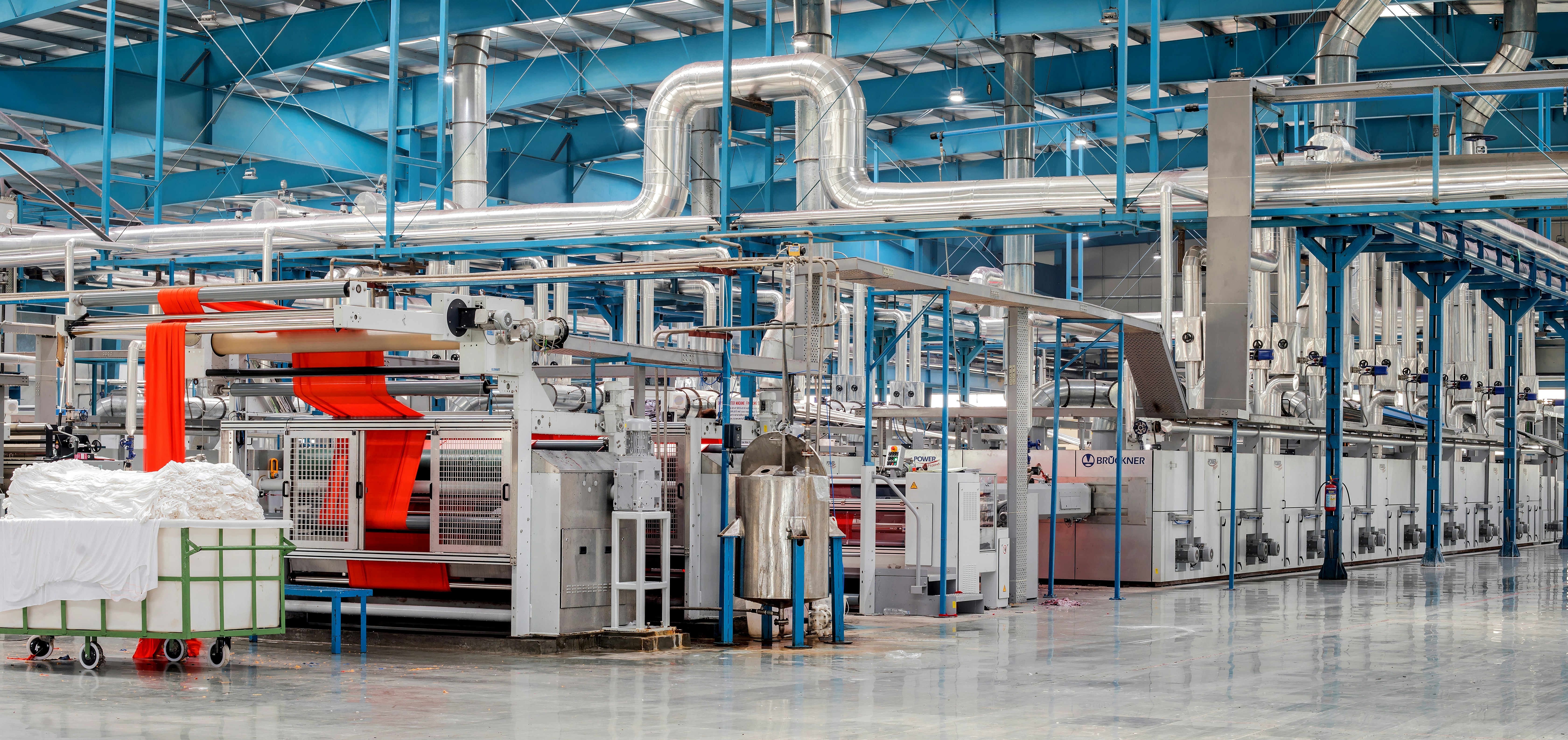
The industrial landscape of Bangladesh has witnessed remarkable growth over the past few decades, significantly contributing to the country’s economy. As industries such as manufacturing, construction, and agriculture expand, the demand for reliable industrial equipment suppliers has become increasingly prominent. This surge in demand emphasizes the crucial role that high-quality equipment plays in enhancing productivity and efficiency across various sectors.
Manufacturing companies, for instance, rely heavily on advanced machinery and tools to maintain their competitive edge. Equipment ranging from assembly line machines to quality control systems is vital for meeting production targets and ensuring product quality. The availability of efficient industrial equipment helps manufacturers minimize downtime, streamline operations, and ultimately boost profitability.
Similarly, the construction sector in Bangladesh depends on a variety of heavy machinery and equipment to facilitate the rapid growth of infrastructure development. From excavators and cranes to concrete mixers, the right tools are essential for completing projects within timelines and adhering to safety regulations. Furthermore, these pieces of equipment contribute significantly to the overall quality of construction, which is paramount in building sustainable and resilient structures.
In agriculture, modern machinery and tools are vital for enhancing productivity and achieving greater yields. With the agricultural sector being a cornerstone of Bangladesh’s economy, the demand for tractors, harvesters, and irrigation systems is growing. Access to quality industrial equipment helps farmers to adopt innovative practices, improve efficiency, and increase food production, thereby supporting food security in the region.
As the industrial landscape continues to evolve, the significance of dependable industrial equipment suppliers cannot be overstated. Ensuring that businesses have access to high-quality equipment is essential for fostering growth and stability in Bangladesh’s burgeoning economy.
Choosing the right industrial equipment supplier is a critical decision that significantly impacts a business’s operational efficiency and overall success. A reliable supplier ensures that high-quality equipment is delivered on time, which is essential for keeping projects on track. When businesses partner with trusted suppliers, they can expect consistent performance from their machinery, reducing the likelihood of equipment failure that could result in costly downtime.
Furthermore, the quality of service support provided by an industrial equipment supplier plays a vital role in maintaining operational continuity. Companies that offer comprehensive after-sales support, including maintenance, training, and quick response to any issues, can greatly enhance the user experience. This aspect not only fulfills immediate needs but also fosters long-term relationships between the supplier and the buyer, creating an atmosphere of trust and reliability.
Pricing is another significant factor when selecting an industrial equipment supplier. While it may be tempting to opt for the cheapest option available, businesses must consider the long-term total cost of ownership. An investment in quality equipment may lead to lower repair costs, less frequent replacements, and improved productivity over time. Thus, focusing on the overall value rather than just the initial expense is crucial.
Lastly, as industries evolve, suppliers who adapt to technological advancements and innovative practices become invaluable partners. By staying current with market trends and offering the latest equipment, suppliers enhance a business’s ability to remain competitive. In short, the right industrial equipment supplier not only provides essential products but also supports the growth and sustainability of a business in a demanding marketplace.
Criteria for Evaluating Industrial Equipment Suppliers
When businesses seek to procure industrial equipment, selecting the right supplier is integral to operational success. Various criteria play a pivotal role in evaluating potential suppliers, which can significantly impact the efficiency and productivity of a company. Below are some essential factors to consider.
First and foremost, the product range offered by the supplier is crucial. A diverse array of equipment ensures that businesses can source all their necessary tools and machinery from a single vendor, simplifying procurement and logistics. Suppliers offering specialized equipment tailored to specific industries may also provide additional value, reducing the time needed for equipment selection.
The industry reputation of a supplier offers insight into their reliability and quality of service. Businesses should research suppliers’ histories, examining how long they have been in the market and their performance relative to competitors. Positive testimonials and industry awards are indicators of a supplier’s standing among peers and customers.
Customer reviews are another vital criterion. Feedback from previous and current clients can provide first-hand accounts of the supplier’s service quality, product functionality, and overall customer experience. Analyzing online reviews on platforms such as Google and industry-specific forums may help businesses gauge the level of satisfaction other companies have experienced.
After-sales support is essential for maintaining the equipment’s longevity and efficiency after purchase. This includes warranty services, installation help, and availability of replacement parts. Suppliers that offer robust after-sales support can prevent costly downtime related to equipment malfunction.
Finally, assessing a supplier’s sustainability practices is becoming increasingly important. Companies are urged to partner with suppliers that implement environmentally friendly practices in their operations, demonstrating a commitment to sustainability and corporate social responsibility.
Top Industrial Equipment Suppliers in Bangladesh
Bangladesh has witnessed significant industrial growth in recent years, leading to an increased demand for industrial equipment. Several notable suppliers have emerged in the market, offering a diverse range of products and services. Below, we highlight some of the premier industrial equipment suppliers in Bangladesh, each with unique strengths and offerings.
Apex Group is a well-established name in the industry, known for its extensive range of machinery and equipment. Founded in 2001, the company specializes in providing packaging solutions and has a robust distribution network across the country. Apex Group’s commitment to quality and customer satisfaction has made it a trusted partner for many businesses seeking reliable industrial equipment.
Bengal Commercial is another leading supplier, recognized for its comprehensive portfolio that includes construction machinery, electrical equipment, and tools for various industries. Established in 1995, the company boasts a team of experienced professionals who provide technical support and after-sales service, enhancing customer value and trust.
Bangladesh Industrial Equipment Ltd. (BIEL), founded in 2010, focuses predominantly on importing high-quality industrial machinery. They offer a wide variety of products, including generators, pumps, and compressors. BIEL is known for its competitive pricing and efficient delivery service, making it a favorable choice for businesses looking to procure equipment within tight deadlines.
Industrial Equipment Corporation Ltd., which commenced operations in 2005, has made a significant mark in the sector with its commitment to providing innovative solutions. The company specializes in automation and control systems, catering to the evolving needs of the manufacturing industry in Bangladesh.
Each of these suppliers exemplifies strong market presence, offering essential equipment and services tailored to various industrial sectors, thus helping businesses thrive in a competitive environment.
Case Studies: Success Stories with Top Suppliers
In Bangladesh’s industrial landscape, successful partnerships between businesses and leading industrial equipment suppliers have proven essential for operational efficiency and growth. A prime example is the collaboration between a local textile manufacturer and a well-known equipment supplier specializing in weaving technologies. The textile company faced challenges in maintaining production speed while ensuring high-quality output. By integrating advanced weaving machines from their supplier, they not only improved their production capacity by 30% but also significantly reduced waste, leading to increased profitability.
Another noteworthy case involves a construction firm that confronted delays due to outdated machinery. The company partnered with a supplier recognized for state-of-the-art excavation equipment. The change in equipment not only minimized downtime but also enhanced safety measures on-site, contributing to a 20% reduction in project delivery times. Feedback from the team indicated that the supplier’s prompt support and training were invaluable, demonstrating how effective partnerships can address specific challenges in the industry.
Furthermore, a food processing plant illustrates exemplary use of industrial kitchen equipment supplied by a major player in the market. The facility struggled with consistent processing efficiency due to varying equipment capabilities. The solution was an overhaul of their processing line with cutting-edge machines designed for seamless integration. This allowed the plant to meet increased demand during peak seasons and ensure product quality, ultimately leading to an expansion of their market reach.
These success stories underline how strategic partnerships with industrial equipment suppliers enable companies to overcome challenges, optimize their processes, and achieve significant improvements in both efficiency and revenue. Such collaborations are essential for businesses aiming to thrive in the competitive landscape of Bangladesh’s industrial sector.
Challenges Faced in the Industrial Equipment Supply Sector
The industrial equipment supply sector in Bangladesh is confronted with a multitude of challenges that impact both suppliers and consumers. One significant issue is supply chain disruptions, which can arise from various factors such as geopolitical tensions, natural disasters, and global pandemics. These disruptions can lead to delays in the procurement of essential equipment, thus hampering production schedules and increasing operational costs for businesses. To mitigate this risk, suppliers are focusing on diversifying their supply chains and establishing stronger relationships with manufacturers to ensure a more reliable flow of products.
Another prevalent challenge is product shortages. This issue is particularly evident during periods of high demand or when production capabilities are hindered by external factors. Suppliers often find it difficult to maintain adequate stock levels, resulting in longer lead times for customers. In response, many suppliers are adopting just-in-time inventory strategies, which not only help in minimizing storage costs but also improve responsiveness to market changes.
Regulatory hurdles also pose significant challenges within the industrial equipment supply sector. Suppliers must navigate a complex landscape of compliance requirements that can vary significantly by region or industry. These regulations can slow down the introduction of new products to the market and increase costs associated with compliance. In order to address this challenge, suppliers are investing in legal expertise and policy advocacy to ensure smoother operations and adherence to local regulations.
Lastly, competition in the industrial equipment supply market is fierce, with numerous players vying for market share. This has compelled suppliers to enhance their service offerings and differentiate themselves through customer service, technical support, and product innovation. Networking, building brand loyalty, and leveraging technology have become critical strategies for suppliers aiming to stay competitive in this dynamic environment.
Emerging Trends in Industrial Equipment Supply
The industrial equipment supply sector is currently experiencing transformative changes driven by technological advancements, shifting consumer behaviors, and a growing commitment to sustainability. With the advent of Industry 4.0, suppliers are increasingly integrating smart technologies such as the Internet of Things (IoT) and artificial intelligence (AI). This integration allows for improved inventory management, predictive maintenance, and enhanced operational efficiency. As a result, industrial equipment suppliers are becoming more adept at forecasting demand and optimizing supply chains, which ultimately benefits their customers.
Another significant trend is the rise of e-commerce platforms in the industrial equipment supply market. More suppliers in Bangladesh are establishing online marketplaces to enhance accessibility and convenience for their clients. E-commerce allows businesses to browse a wider array of products, compare prices, and make purchases without the constraints of geographical location. This shift is particularly vital in regions where traditional supply chains may be limited. With this growing trend, suppliers are also focusing on User Experience (UX) design, ensuring that their platforms are user-friendly and efficient.
Sustainability is also at the forefront of emerging trends within the industry. As environmental concerns take center stage globally, industrial equipment suppliers are adopting greener practices. This includes sourcing raw materials sustainably, minimizing waste in production, and promoting energy-efficient equipment. Suppliers that prioritize sustainability not only comply with regulatory demands but also appeal to a growing segment of environmentally-conscious customers. They aim to position themselves as responsible market players and competitiveness through innovative, eco-friendly solutions.
In conclusion, the industrial equipment supply landscape in Bangladesh is evolving rapidly. Suppliers are adapting by leveraging technology, embracing e-commerce, and committing to sustainable practices, all while meeting the ever-changing demands of the market.
Tips for Businesses when Working with Suppliers
Maintaining a productive relationship with industrial equipment suppliers is essential for ensuring that businesses can operate smoothly and efficiently. First, effective communication is key. Regular check-ins and updates about equipment performance and delivery schedules can help avoid misunderstandings. By establishing clear communication channels, businesses can address any issues promptly, fostering a cooperative environment that benefits both parties.
Negotiation is another critical aspect when working with suppliers. Businesses should enter discussions with a clear understanding of their needs and budget constraints. It is beneficial to approach negotiations with flexibility, focusing on areas where both parties can benefit. This mutual understanding not only facilitates better deals but also strengthens the relationship. Suppliers appreciate clients who are fair in negotiations and who recognize the value of their offerings.
Moreover, diligent contract management plays a pivotal role in establishing a reliable relationship with industrial equipment suppliers. Ensure that all terms and expectations are clearly outlined in the contract. Regular reviews of contract terms can prevent potential disputes and ensure that both parties adhere to agreed-upon conditions. This practice not only protects the business interests but also cultivates trust between the supplier and the client.
Finally, fostering long-term partnerships with suppliers can yield significant benefits. Businesses should consider their suppliers as partners rather than merely vendors. This means giving feedback, sharing growth strategies, and being receptive to new ideas. Suppliers who feel valued are more likely to invest in their relationship with the business, which can lead to better pricing, priority service, and access to new technology. By keeping these tips in mind, businesses can enhance their collaborations with equipment suppliers, paving the way for mutual success.
Conclusion: Making Informed Choices
Choosing the right industrial equipment supplier in Bangladesh is a critical step for businesses aiming to enhance their operational efficiency. Throughout this exploration, we have highlighted the various factors that play a crucial role in making an informed selection. These include evaluating the supplier’s reputation, range of available products, quality of customer service, and after-sales support. Additionally, financial considerations, such as pricing and payment terms, are equally vital as they can significantly impact a company’s bottom line.
It is essential for businesses to conduct comprehensive research, utilizing both online reviews and firsthand testimonials, to ascertain a supplier’s reliability. Connecting with current users of the equipment can provide insights that may not be apparent through company marketing materials. Comparing multiple suppliers can also facilitate better decision-making by revealing variations in product offerings and pricing structures.
Moreover, understanding the specific needs of your business and how a supplier can meet those requirements is paramount. Whether the focus is on specialized machinery or general industrial tools, ensuring compatibility with operational needs can prevent future disruptions. Engaging in discussions with suppliers regarding customization options may also serve to align products more closely with business objectives.
In conclusion, making informed decisions when selecting an industrial equipment supplier in Bangladesh involves a careful evaluation of various factors. By being diligent in research and remaining aware of industry trends, businesses can position themselves to select a supplier that not only meets their immediate needs but also supports long-term growth strategies. Thus, the effort invested in this process can yield significant returns in productivity and operational effectiveness.
